
Legal Question: Repossessing the Roses
This week’s question is from Kelly via the form. Kelly asks:
In the 2nd episode of the Girardis, you discuss how items up to a certain value do/don’t get repossessed. This made me think of Schitt’s Creek. The Roses (mostly Moira) were still in possession of many designer clothes and jewelry that I would imagine would be within the price range of being repossessed. Would they realistically have been able to keep those items?
Great question, Kelly!
We recently covered the legal battle being waged by victims of tragedy against the formerly prominent trial lawyer Tom Girardi and his law firm, Girardi Keese. He stands accused of misappropriating millions of dollars in client and lender assets to support his Real Housewife of Beverly Hills, Erika Jayne’s, extravagant lifestyle. You can get the full scoop in the two parts from Sinisterhood here in Part One and Part Two.
On to the Roses…
I love this question because I love any excuse to re-watch Schitt’s Creek. A couple of important things to set up first.
WHERE IS SCHITT’S CREEK?
Tom Girardi and Girardi Keese are both going through bankruptcy proceedings under United States law. What he can/cannot keep is determined by the Bankruptcy Code and state law. Girardi is in California, so the list of items he gets to keep is determined under California law. Some examples of items he could possibly keep (depending on some factors that are outside the scope of this newsletter but which are discussed in the second episode) include:
A home worth $175,000,
A car worth $3,325,
Jewelry and art worth $8,725, and
Retirement accounts worth $1.3 million.
The Rose family lives in Canada. Yes, Schitt’s Creek is in Canada. Though there was some hemming and hawing at first, Dan Levy eventually confirmed it to BuzzFeed News. Additionally, the “people from the government” who ring the Roses’ doorbell in the pilot episode are wearing blue jackets with “REVENUE AGENCY” printed on the back. The tax-collecting authority in Canada is called the Revenue Agency.
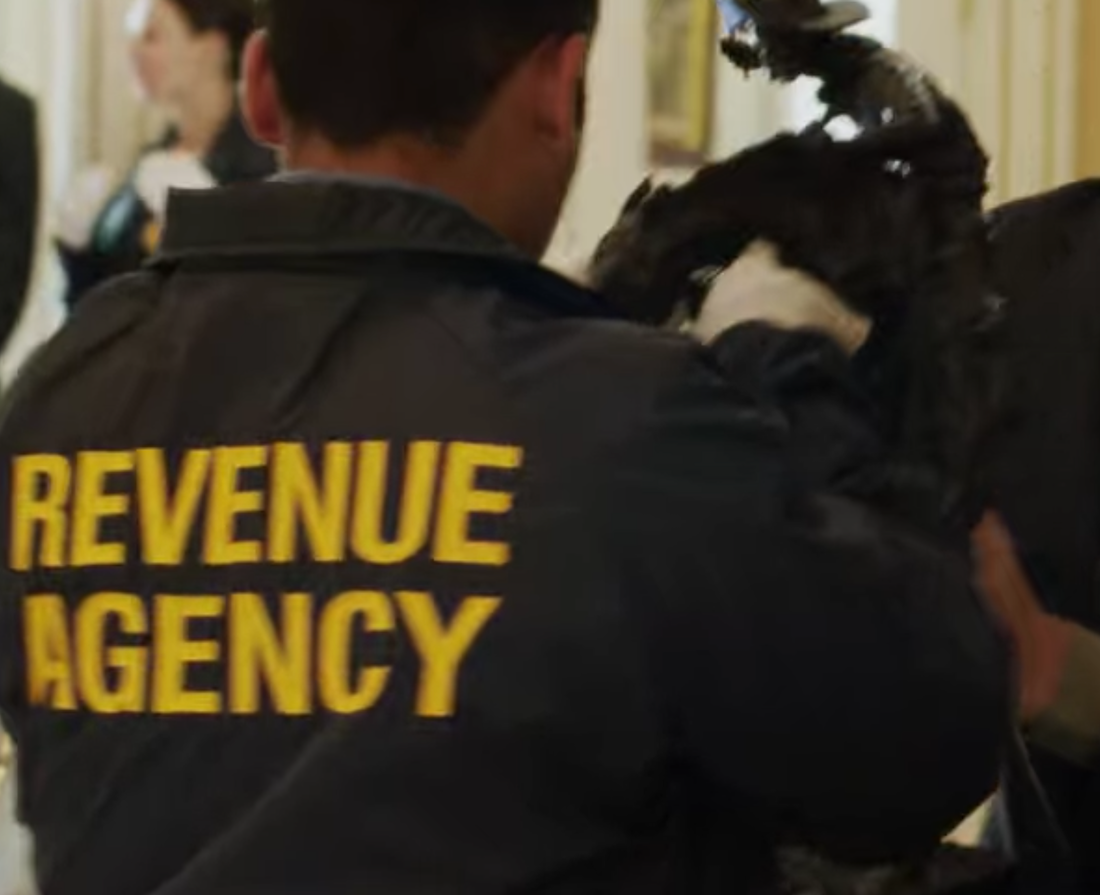
I’m still trying to wrap my mind around what kind of a sick person wants to get paid to destroy another person’s life. DESTROY ANOTHER PERSONS’ LIFE!
In the United States, the tax agency is called the Internal Revenue Service, and their jackets are printed with “IRS Revenue Officer” or “IRS-CID Police.” CID is the Criminal Investigation Division. Using the clue of the jackets and Dan Levy’s proclamation, we’ll look at this question under Canadian law.
WHAT HAPPENED TO THE ROSES?
In the first five minutes of the pilot episode, Johnny Rose calls a person named Eli a “son of a bitch.” Turns out Eli was the family’s business manager who was like “family” and was in charge of the Roses’ finances. The Revenue Agency officer then tells Johnny, “Eli really did a number, Johnny. He took everything,” and explains that Eli has run off to the Cayman Islands.
The phrase “He took everything” indicates to me that their business manager stole the majority of their assets. The Netflix episode description also states that “their business manager loots their family fortune,” which indicates to me that Eli both took the cash and left a big ol’ tax bill, especially since Johnny also says, “He was our business manager. He was supposed to pay taxes.”
The Revenue Agency officer then tells the Roses that there was a “very small amount set aside” for the family and also “one asset the government has allowed [the Roses] to retain” – the town of Schitt’s Creek.
Since Eli took “everything” – presumably their cash – then whatever physical property the Roses had left would be what the Canadian government would go after to satisfy the debt of unpaid taxes. Let’s discuss how that works.
WHAT HAPPENS WHEN YOU STIFF THE CANADIAN GOVERNMENT?According to the Canadian Revenue Agency (CRA), “Any amount you owe is payable in full immediately when you're assessed.” If the Roses failed to pay the CRA in a timely fashion, they were charged “compound daily interest at the prescribed rate on any amount owing.” Whatever amount the Roses owed was also subject to a daily interest rate, so their tax bill ballooned up even higher.
Since the Roses did not pay the outstanding debt to the CRA or contact the CRA to discuss payment plans, the CRA was entitled to take legal action to collect the unpaid amount. That legal action could have been garnishment, which means the CRA would go into bank accounts and seize the funds. Since Eli apparently took all of the Roses’ money and fled the country, that would not likely be successful.
Since the garnishment wouldn’t work so well, the CRA could put a lien on the Roses’ home or other large assets. That means, if the Roses tried to sell the property, the tax debt would get paid first.
What happened in the pilot episode was even more severe than just a lien. It is called a seizure of assets. First, the CRA would have gone to court and gotten a written command or formal order in favor of the Crown (the Canadian government) that allowed the CRA to seize and sell the Roses assets and property. Under Canadian law, the CRA can do this without notifying the Roses. If you think about it, it makes sense. You know you’re supposed to pay your taxes. Although they relied on their “business manager,” the liability still falls on the Roses as the taxpayers.
On the CRA website the agency states that it will seize property like: “your car, boat, artwork, cottage, rental property, or personal residence.”
Lock up your cottages, y’all. The CRA ain’t messing around.
After the CRA seized the Roses’ assets, it would sell them off to pay both the tax debt owed and all of the costs associated with selling the assets. If the sale proceeds didn’t satisfy the whole tax debt, then the Roses would still be liable to pay the remaining amount. Tax debts are not dischargeable in bankruptcy, either.
The Canadian Broadcasting Company recently reported that asset freezes and seizures were on the rise, with the CRA using provisions of the Criminal Code to enforce tax debts. Since tax evasion is technically a crime, then money retained and not used to pay taxes are fruits of that crime.
So, to the question…
Would the Roses realistically have been able to keep those items?
During the pandemonium of the asset seizure, Johnny shouts at Moira, “We’ve got 15 minutes to collect our personals.” Of the assets being seized in the house, it appeared to be large piece of furniture, statues, and large pieces of jewelry and expensive designer bags, not personal items like clothes or shoes.
When the family arrives in the town, they have luggage, duffle bags, some cardboard boxes, and cases containing Moira’s extensive wig collection.
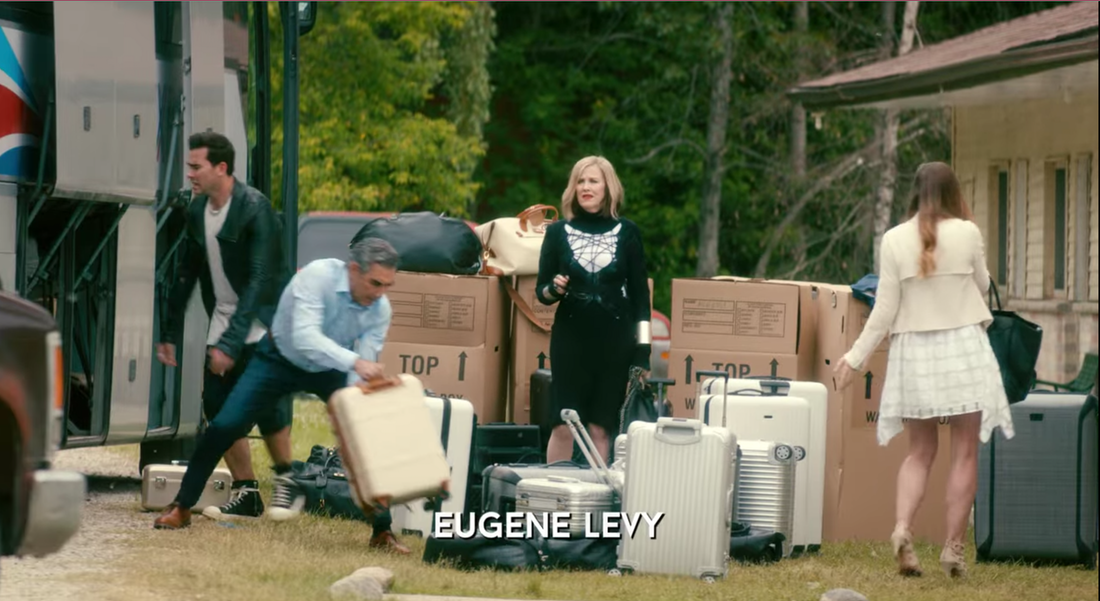
75% of the suitcases are filled with wigs.
The CRA agents came to seize assets of value that could be sold to satisfy the Roses’ tax debt. Their enormous house and various other properties would probably make the largest dent, then the larger, more valuable personal property pieces would be the next most valuable.
Though they wear some incredible designer clothes, taxing authorities don’t generally seize clothing. In the United States, the IRS will also allow individual taxpayers to keep “tools necessary for the trade, business or profession of the taxpayer,” which could arguably include their phones and laptops.

The looks of an icon
As for Moira’s jewelry, it’s not as recognizable as her designer clothes. For instance, the iconic panther brooch was created by the production designer, Debra Hansen. It later sold at a charity auction for $3,200, but that’s likely because it was a part of the show and not because of its inherent value.

Rawr! Look at that sweet brooch.
Many of the other pieces were either from the costume designer’s own collection or were costume jewelry, though there were some finer pieces layered in as well, according to this interview with Debra Hanson.
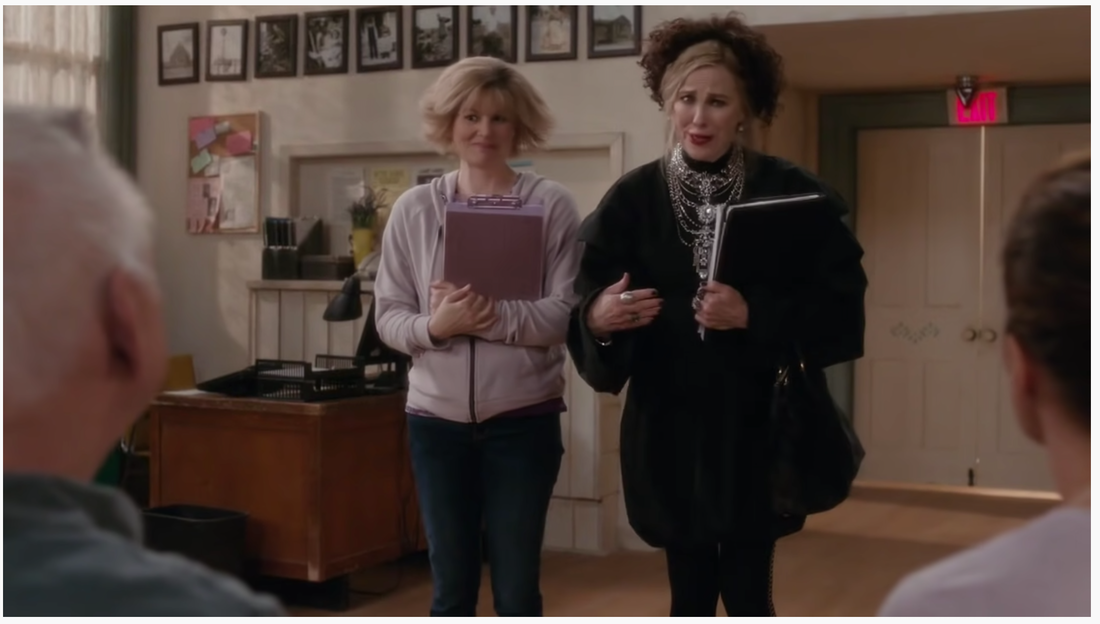
SO many layers of necklace
If Moira somehow successfully hid those assets and the tax debt got paid off with everything else the CRA took, she would be able to keep those items. Also, she’s Moira fricken Rose. She can do whatever she wants. PROOF: Check out this iconic collection of legendary Moira moments.
I hope that answers your question, Kelly!
Got a question? Submit it here. They can be legal what-if questions, questions on current events, or questions about the legality of actions in TV shows or movies you’ve seen. I never ever want to answer your personal legal questions, so don't send those. Love you, but I don’t do that.
***
This piece first appeared in Sunday Morning Hot Tea. Subscribe so you don’t miss another piece.