


Legal Question: Logistics of a Hallmark Movie Ending
This question comes from Michele L., who asks:
In light of the endless Hallmark/Lifetime Christmas movies I've seen (they started doing Halloween week and I cannot stop watching; send help) where a lovely American lady meets and is swept off her feet by a handsome Prince/King/Earl/whatever from a nondescript, vaguely British-esque country no one has ever heard of before - here is my question:
What, if any, legal hurdles would there be to relocating to a foreign nation and marrying into the ruling family of said nation?
Say I meet Prince Charisma from Moldivitinia, could I, a lawyer barred in the state of NJ, transfer any certifications to work in a legal capacity there to help the local children's center remain open? Could his evil queen mother have me deported and or thrown in prison for accidentally knocking over and denting that Medieval suit of armor while practicing my curtsey? Or is it all happily ever after? Thanks!
Great question, Michele! I chose this question because I'm in a particularly Hallmark-y mood. This week on Thursday, February 10 at 8PM CT, Christie and I are going to roast a Hallmark Valentine’s Day movie for you live on CrowdCast. Neither of us have seen it. We’re going to throw it on screen, let the saccharine sweet plot wash over us, and holler out our observations. Join us and re-watch on demand by registering here and check out the replay of the one we did for Christmas by clicking here.
On to the question…
What, if any, legal hurdles would there be to relocating to a foreign nation and marrying into the ruling family of said nation?
For starters, there shouldn't be any legal hurdles if you have the blessing of the ruling family. If they truly are in charge (as they are many times in these movies - stuff like Constitutions and Parliaments and Prime Minsters are boring!!!), then by the wave of Her Majesty's hand, you'd be golden. No paperwork, no red tape.
In an absolute monarchy, like Saudi Arabia for instance, the ruling family, well, rules. Sure, there are laws that they follow called the Basic Law of Saudi Arabia, but everybody serves at the pleasure of the royal family. Anyone with authority is appointed by the royal family and can be un-appointed just the same.
So once you fall in love with the Prince of Moldivitinia, assuming that Moldivitinia is an absolute monarchy, the family can square away any red tape you may run into. If, on the other hand, Moldivitinia is a constitutional monarchy, the royal family’s authority to make your immigration easy would be subject to the rules as outlined in the Moldivitinian constitution.
Say I meet Prince Charisma from Moldivitinia, could I, a lawyer barred in the state of NJ, transfer any certifications to work in a legal capacity there to help the local children's center remain open?
When I did a study abroad program in law school to the Cayman Islands, I was verrrrry interested in how a law license may transfer over to a foreign jurisdiction. When I looked into it, I became verrrrry disappointed.
Turns out, you must have practiced in a Commonwealth jurisdiction for over three years to qualify for transfer. Those include the UK, Canada, Australia, New Zealand, and South Africa. I noticed Texas was not on that list. Boooo!
The laws of reciprocity vary by jurisdiction. For instance, to transfer your foreign law license to practice in England and Wales, you need to fill out an application and submit it to the Bar Standards Board (BSB). This application provides evidence of your academic and professional qualifications. You have to jump through several hoops and provide evidence of your good character and repute, your academic transcripts, and any representations you are relying on to be admitted. You also have to pass the Bar Transfer Test if what you learned in law school and what you have experienced in practice differ substantially from what is covered by the education and training provided in England and Wales.
But that’s a bunch of rules for a stick-in-the-mud constitutional monarchy. The absolute monarchy of Moldivitinia has laws, sure, but those laws are subject to the whims of the royal family aka your new in-laws. With the wave of a wand or the cross of a sword, your license transfers and you can help as many children's centers stay open as your heart desires.
Could his evil queen mother have me deported and/or thrown in prison for accidentally knocking over and denting that Medieval suit of armor while practicing my curtsey?
I feel you on the knocking over and denting a Medieval suit of armor. I knock over stuff all the time, so I'd be on the Moldivitinian chopping block if I hooked up with Prince Charisma and that was a jailable offense.
In short, yes, she could definitely deport you for whatever reason she wanted, assuming Moldivitinia is an absolute monarchy.
As for jailing you? Also probably yes. I’m not sure whether Moldivitinia has signed on any human rights treaties. Regardless, in the view of the United Nations, all countries are subject to the International Criminal Court. Set up in 2002, the ICC normally tries lower level individuals responsible for very serious crimes like genocide, crimes against humanity, war crimes, and the crime of aggression.
Even though she is the Queen of Moldivitinia, she's not completely immune from punishment. Many leaders and former leaders have also been prosecuted and convicted by international courts for those kinds of serious crimes listed above, including leaders from Liberia, Rwanda, Serbia, and Sudan.
Locking you up for denting a suit doesn't quite fit the definition of any of those serious crimes per the definitions laid out by the UN/ICC. However, a widespread media campaign may pressure her to release you, so just make sure someone you love with access to social media knows your whereabouts so they can start the Change.org petition asking her to let you go.
Or is it all happily ever after?
In a Hallmark movie? Always.
Thanks for asking!
Got a question? Submit it here. They can be legal what-if questions, questions on current events, or questions about the legality of actions in TV shows or movies you’ve seen. I never ever want to answer your personal legal questions, so don't send those. Love you, but I don’t do that.
Until next week, that’s the tea, and there’s no ending happier than a Hallmark movie.
Got a question? Submit it here. They can be legal what-if questions, questions on current events, or questions about the legality of actions in TV shows or movies you’ve seen. I never ever want to answer your personal legal questions, so don't send those. Love you, but I don’t do that.
***
This piece first appeared in Sunday Morning Hot Tea. Subscribe so you don’t miss another piece.

Legal Question: Do Cops Need a Warrant to Search Your Hotel Room?
This question comes from Austin, who asks:
Can cops just bust into your hotel room without a warrant? We’re watching “Law and Order: SVU,” and the cops had the hotel manager open up someone’s hotel room without the hotel guest’s permission. Can they do that?
Great question, Austin!
CAN BENSON AND STABLER BUST UP IN YOUR ROOM AT THE LA QUINTA?
No, but there are exceptions. Searches of someone’s “residence,” including a temporary residence like a hotel room, are governed by our constitutional right against unlawful search and seizure. That right is found in the Fourth Amendment to the Constitution, which reads:
The right of the people to be secure in their persons and houses against unreasonable searches and seizures, and no Warrants shall issue, but upon probable cause, particularly describing the place to be searched, and the persons or things to be seized.
Constitutional rights are not absolute. The Supreme Court is empowered with judicial review, meaning it decides whether laws are in line with the Constitution. Whether a search is reasonable or valid under the Fourth Amendment has been refined through case law and statutes throughout the years.
The Court has recognized a few exceptions to the right against unlawful searches. If one of those exceptions is present, the ragtag crew from NYPD’s 16th Precinct would be able to crack that hotel door and dig around in your stuff.
WHAT ARE THE EXCEPTIONS?
If the person being searched gives their permission (called “consenting” to the search), then the police don’t need a warrant. If they don’t have consent and they don’t have a warrant, then authorities need an exception in order to try and perform a lawful search.
The exception used fairly often is known as “exigent circumstances.” Exigent means “pressing or demanding,” so exigent circumstances are situations where there is an immediate need for the authorities to enter without waiting for a warrant. These include a “grave threat” to the safety of the investigating police, members of the public, or their property. It could also be to stop a suspect from escaping. It could also be when there is a belief that evidence will be lost or destroyed by not entering. I’m
The police can’t just be walking by when this happens. They have to have “probable cause” or the reasonable belief that crime has taken place or is currently taking place before they can act.
LoûIf there are no exigent circumstances, no consent, and no warrant to search, there are other ways for police to search. If you leave something illegal out in the open and the cops just happen to see it, then that is not usually considered an unlawful search. This is called the “plain view doctrine.” There's no need to search when anyone walking by could see the contraband. Similarly, if the police are lawfully arresting someone, they are able to search while making that arrest. This is called a “search incident to a lawful arrest.”
WHAT IF THE MANAGER LETS THEM IN?
If the cops aren’t kicking down your hotel door, they may be sweet talking the manager to let them in. Unless they have a warrant or one of the exceptions above exist, the manager can’t let them in your room. Your room is your domain for as long as you've checked in, followed hotel rules, and paid for your reservation.
WHAT IF I CHECK OUT?
Once you check out, your rights stop. Anything you left behind in the now-vacant room could be searched by the police.
Also, if you are forcibly removed from the hotel for violating hotel rules, or if you leave on your own accord before you check out (called “abandonment”), you no longer have claim to the room you were staying in. After that, the hotel management could let authorities in and whatever they find may be used against you.
WHAT IF THEY BUST IN ANYWAY?
Kicking in a door without a warrant and without a valid Fourth Amendment exception would not be a great idea. If that happens, the evidence found could be suppressed by the court or your defense attorney could ask that the entire case against you be dismissed. The police would also open themselves up to civil liability, and you could sue the government. Lawsuits like these are brought under 42 USC §1983, a federal statute which allows individuals to sue the government for violations of their civil rights.
In the episode, there was some mention of “exigent circumstances.” If such circumstances existed - a person was in danger or evidence was in danger of being destroyed - then the cops could come in and search. If the search was challenged later, they could try to argue that their warrantless search was necessary later in court. If no exigent circumstances or other exceptions existed, then the evidence would probably be suppressed, bhuhyy G on or kept out of the proceedings.
In any case, the dedicated detectives who investigate these vicious felonies are members of an elite squad known as the Stay-the-Hell-Out-of-My-Hotel-Unless-You-Have-A-Warrant Unit.
I hope that answers your question, Austin. Thanks for sending!
Got a question? Submit it here. They can be legal what-if questions, questions on current events, or questions about the legality of actions in TV shows or movies you’ve seen. I never ever want to answer your personal legal questions, so don't send those. Love you, but I don’t do that.
***
This piece first appeared in Sunday Morning Hot Tea. Subscribe so you don’t miss another piece.

Legal Question: Michael Scott's Diary Drama
This question comes from my dear friend, Todd, who will also co-officiate our wedding soon! Todd asks:
“Watching The Office where Michael’s journal is submitted in Jan’s wrongful termination deposition. He literally says he does not want it submitted. That should be the end of it, right?”
Thanks for the question, Todd! This is an excellent episode. I laugh every time at, “Tan almost everywhere. Jan almost everywhere.” It is also an excellent episode for Michael’s development as a character and standing up for himself.
When answering these questions, I like to establish where the players are and what rules apply. The Office is set in Scranton, Pennsylvania. Jan is suing Dunder Mifflin for employment discrimination and asking for $4 million. Dunder Mifflin is publicly traded and headquartered in New York. Most publicly traded companies are incorporated in Delaware, even if they are headquartered somewhere else. By this point in the series, Jan is living with Michael in Scranton, making her a Pennsylvania resident.
When a resident of one state sues the resident of another state and the amount at issue is over $75,000, this is called “diversity of jurisdiction” and the proper place to file a lawsuit is in federal court. Plus, employment discrimination suits often end up in federal court because they involve federal employment laws.
For this we’ll assume the federal rules apply. One of the federal rules regarding discovery states that “Parties may obtain discovery regarding any non-privileged matter that is relevant to any party's claim or defense.”
Although Jan stole the diary, it would be non-privileged and relevant to her claims as it proves the timeline of her relationship with Michael. Despite its shady origin, the court would likely allow its admission.
In the show, once the diary is introduced during the deposition, the attorneys then copy the whole thing and distribute its entirety to both sides. This is because of something called the doctrine of completeness (Rule 106 in the Federal Rules of Evidence). It allows an adverse party (Dunder Mifflin) to require that “any other part” of a writing be revealed after part of the writing is introduced. In this case, since Jan introduced the diary entry about Jamaica, Dunder Mifflin’s attorney had every right to ask for the rest of the diary to be made available as well.
To answer the question, the stolen nature of the diary does not have any bearing on its admissibility. On a gut level, that may not seem right. There is a doctrine known as the “exclusionary rule” that applies in criminal cases, which prevents the government from using most evidence gathered in violation of the United States Constitution. However, Jan’s employment lawsuit against Dunder Mifflin is a civil case - not criminal, therefore the exclusionary rule does not apply.
If Michael felt wronged by Jan stealing his diary, which she admits to doing, he could press charges against her for criminal theft or file a civil lawsuit against her. However, she asks him to “call it even” by pointing out that he emailed a topless photo to everyone in the company. Michael agrees. Still, if he wanted to call the law offices of James P. Albini and see if he’ll take the case, Michael has that option.
I hope that answers your question, Todd. Thanks for sending!
Got a question? Submit it here. They can be legal what-if questions, questions on current events, or questions about the legality of actions in TV shows or movies you’ve seen. I never ever want to answer your personal legal questions, so don't send those. Love you, but I don’t do that.
***
This piece first appeared in Sunday Morning Hot Tea. Subscribe so you don’t miss another piece.

Legal Question: Can you transfer venue so hard that you leave the state?
This week’s question comes from Christie via our upcoming minisode on the Murdaugh Murders (Part 2). Christie asked:
Can you ask for a transfer of venue out of state?
In an upcoming Sinisterhood minisode on the Murdaugh Murders update - part 2, Christie asked whether Alex Murdaugh could ask for a change of venue outside the state if the jury pool of South Carolina was so tainted by their personal connections to the case and all the media coverage.
At the time I said, "I don't think so," but then I started second-guessing myself. I love when I am not sure about something because it means I get to wrap my brain around another state's laws and refresh my memory on old concepts, deeply buried in the recesses of my skull. This was a great question, so I decided to dig into it here.
BACKGROUND
Some backstory - Alex Murdaugh is the once-prominent South Carolina lawyer who, it turns out, has been scamming his clients, stealing funds, and trying to commit insurance fraud by hiring someone murder him on the side of the road.
That is only about 1/10th of the story. His wife and son were murdered under suspicious circumstances. The family has also been tied to the murder of a young man in the community named Stephen Smith. Alex’s murdered son, Paul, also recklessly drove a boat and killed a young woman named Mallory Beach . The list of controversies associated with the family is endless. We covered his story in several parts, located here, here, here, and in an update here. The second part of the update is coming soon.
Alex is currently in jail for financial crimes and is facing millions of dollars in lawsuits for the damage he's done. His attorney has made reference to a tainted jury pool with regards to the civil suits. Since so many families and the community at large has been negatively impacted by all of his actions, the question has become - could he really get a fair trial in South Carolina or has the jury pool been tainted?
WHAT IS VENUE?
Venue is a place where a lawsuit is filed. In the earlier days of the legal system, lawsuits for things like theft, injury, or wrongful death (called “torts”) could be “brought wherever the wrongdoer [could] be found and legally served with process.” Eventually, to keep things more organized, states passed laws mandating where lawsuits could be filed and heard by a judge.
WHERE DO YOU SUE SOMEBODY?
South Carolina Code section 15-7-30 mandates that a lawsuit like the ones Alex is facing, “must be brought and tried in the county” (1) where the defendant (Alex) resides at the time of the lawsuit, OR (2) where the most substantial part of the bad act occurred.
SO CAN YOU CHANGE YOUR VENUE?
You can ask for a new venue, just not outside the state. I'll address South Carolina law in this answer, but note that laws vary across states and with the federal lawsuits as well.
South Carolina Code Annotated § 22-3-920 provides that either party in a civil case (the person suing or being sued) or the prosecutor or the accused in a criminal case, may apply for a change of venue. So it never hurts to ask.
The person requesting the change of venue has to give the judge a sworn statement explaining why he does not believe he can receive a fair trial in the current venue. The sworn statement has to include details and facts supporting the person's belief. The code states that if the sworn statement “sets forth grounds for a belief that the party cannot obtain a fair trial” then the judge must grant the change of venue. You can only move once, though. In that scenario, the case would be moved to another county to proceed with trial there.
You can't move the case out of the state because other states don't have jurisdiction over controversies or crimes that happened in South Carolina. In some civil cases, if each party is from a different state and other factors apply, the plaintiff could possibly sue in federal court. We don't have the time or space to get into that here. It takes up a whole semester in first year Civil Procedure in law school and doesn't apply here anyway.
But if the shit goes down in South Carolina, the trial will, too.
WHY WOULD YOU WANT TO MOVE?
Because the generosity of juries vary, sometimes a person filing a lawsuit may try to file in a place that is more friendly to someone who has suffered in the same way they have. Let’s look at a hypothetical. Say there’s a guy name Bob, and he works for the railroad company. If Bob was in a railroad accident, it would serve him well to file his lawsuit in a county where juries have proven to be generous to railroad accident victims in the past and who may be willing to punish railroad companies who injure people.
When you file in a place friendly to you, that is sometimes referred to as “forum shopping.” Ironically, the county where Alex Murdaugh practiced - Hampton, South Carolina - was a famously plaintiff-friendly county. Called a “judicial hellhole” by the defense-friendly American Tort Reform Foundation, Hampton was known for its liberal and generous jury verdicts, especially against railroad companies.
Due to South Carolina’s previously lax venue laws, Bob may have been injured by the railroad in a county across the state far away from Hampton, but if the tracks passed through Hampton, his attorneys could file his lawsuit in the judicial hellhole, hoping for a juicy, high-dollar verdict. This exact scenario is how the Murdaugh family accumulated its wealth over the decades. (Except for Alex - he was stealing.)
** Side Note: Tort reform is a controversial topic. Especially after the McDonald’s coffee verdict, there was a push by insurance companies and large businesses to reduce the amount of damages injured people could recover when they were injured. The narrative that “lawsuits are out of control” was pushed in the media, despite the fact that the Wall Street Journal reported “Americans… are filing far fewer lawsuits. Fewer than two in 1,000 people [0.002] – the alleged victims of inattentive motorists, medical malpractice, faulty products and other civil wrongs – filed tort lawsuits in 2015 ….” For a super interesting documentary on tort reform, check out the documentary Hot Coffee. **
WILL ALEX GET TO MOVE ANY OF THE MANY LAWSUITS FILED AGAINST HIM?
His lawyers can certainly try. Alex’s attorneys filed a motion against opposing counsel, Eric Bland, accusing Bland of tainting the jury pool with his media appearances. This argument is pretty cute considering Alex’s own attorneys have been giving interviews freely, and saying some pretty ridiculous stuff on camera. Plus, the media coverage has been national and international, so there is no way they can find a venue where someone hasn’t heard of the case. The motion is pending.
So if they can’t leave the state, how will he get a fair trial? The jury selection process will likely be extensive to ensure that only unbiased jurors are seated on the jury. If they bring in one or two hundred people to interview, surely they can find twelve who haven’t watched any documentaries or listened to any podcasts on the case.
In short, nope. He can’t move out of state. This goes for the criminal charges as well.
Thanks for the question, Christie! And thanks to y’all for sticking with me on this long trek through the fascinating world of South Carolina civil procedure.
Got a question? Submit it here. They can be legal what-if questions, questions on current events, or questions about the legality of actions in TV shows or movies you’ve seen. I never ever want to answer your personal legal questions, so don't send those. Love you, but I don’t do that.
***
This piece first appeared in Sunday Morning Hot Tea. Subscribe so you don’t miss another piece.

Legal Question: If your DNA is the same, can you get framed?
This question comes from Jamie via the form. Jamie asks:
Say we lived in one of the many fictional universes where doppelgängers exist. If my doppelgänger commits a crime, could I be charged for it?
Thanks for the question, Jamie! We covered doppelgängers in our February 2021 minisode on Patreon. As we discuss, the word doppelgängers originated in a 1796 novel written in Germany. The mischievous double in that book convinced the novel's protagonist to fake his own death. The doppelgänger in your question sounds like an even more nefarious form of this ancient concept.
COULD YOU BE CHARGED FOR YOUR DOPPELGÄNGER'S CRIME?
To answer your question - yes. If a doppelgänger is a legitimate double of you and not just a look-alike, you could be charged. Would the charges stick? That's a different question. But you can get charged for something you never did. Sadly, that happens all the time.
But back to the question at hand - your arrest would likely be based on some form of physical evidence. That evidence could include fingerprints, DNA, or facial recognition. If you were truly doppelgängers -meaning you were 100% the same as one another - all three of those things would match. If the arrest was based on any or all those things, they'd probably haul you in.
Like we discussed on the minisode, scientists studying facial measurements have found that anthropometric measurements - the distance between certain points on a face - are just as accurate as fingerprints and DNA. So if your doppelgänger is truly out there doing crimes, you could go down for it.
BUT WOULD THE CHARGES STICK?
Maybe not. Something similar happened in Germany back in 2009. Following a jewelry heist, sweat from a glove left behind was tested for DNA. It matched two men - a pair of identical twins. Both twins were arrested, but before the trial, they were let go with the court stating: "From the evidence we have, we can deduce that at least one of the brothers took part in the crime, but it has not been possible to determine which one."
This only worked for the twins because the evidence was DNA. If it had been fingerprints, the grift would be over as identical twins do not have identical fingerprints.
In order to be convicted of a crime, the state has to prove beyond a reasonable doubt that the crime was committed by the person who has been arrested. Since whatever evidence they would have against you would also match your doppelgänger 100%, you could argue that the court was incapable of proving your guilt. How could they determine it was you and not your doppelgänger? You would probably do well to try and prove your alibi to try and save yourself.
Benefit of a doppelgänger: get out of jail free card.
Drawback of a doppelgänger: just about everything else. (Have you seen Multiplicity?)
Thanks for the question, Jamie!
Got a question? Submit it here. They can be legal what-if questions, questions on current events, or questions about the legality of actions in TV shows or movies you’ve seen. I never ever want to answer your personal legal questions, so don't send those. Love you, but I don’t do that.
***
This piece first appeared in Sunday Morning Hot Tea. Subscribe so you don’t miss another piece.

Legal Question: If there’s something strange and you get arrested, who ya gonna call? YOUR LAWYER
This week’s question was sparked by watching the new movie Ghostbusters: Afterlife. No spoilers, but in the movie, a character is arrested and demands to make their one phone call. As I was thoroughly enjoying that movie (seriously - go see it! I laughed. I cried. I cried talking about it later. I loved it!), I wondered to myself:
Do you have a constitutionally protected right to a phone call after you have been arrested?
It’s one of our most propagated tropes in movies and TV shows: perps are always yelling, “I want my phone call!” But do they get one?
The answer is, as always, it depends. In this case, it depends on what jurisdiction you’ve been arrested in. In the new Ghostbusters flick, they’re in Oklahoma. This differs from Texas and varies widely across other states.
NO CONSTITUTIONAL RIGHT TO A PHONE CALL?
A couple of constitutional rights are implicated when considering whether an arrestee is entitled to a phone call. You have the right to due process under the Fifth Amendment and the right to counsel under the Sixth. However, the interpretation of those rights is not well-settled.
There’s a case out of the Fifth Circuit regarding two guys arrested at the onset of Hurricane Katrina in New Orleans. They were booked into jail, and because the phone lines were overwhelmed in anticipation of the hurricane, the men were not able to make phone calls. They argued, among other things, that the sheriff should have made their confiscated cell phones available to them since the phone lines were down.
The Fifth Circuit disagreed, saying, “There is no particularized, clearly established law which would have instructed [the Sheriff] that, under the Sixth Amendment, he had to allow pre-trial detainees to use their cell phones when land lines were disrupted.” Waganfeald v. Gusman, 674 F.3d 475, 485 (5th Cir. 2012).
Yikes.
The men were then left in the jail as it filled with water once the levees broke. The food became spoiled, and the toilets overflowed. They were later transferred to Angola aka "The Alcatraz of the South" all because they had allegedly been drunk in the French Quarter (who hasn’t!?) They had been arrested for public intoxication after one fell off a curb (again, WHO HASN’T?!). He said it was due to a bad knee (hard relate), and the other defendant said he was just trying to help his friend stand back up (true bro move right there).
A likely story, sure, but in any case, they shouldn't have ended up in a maximum security prison farm and likely wouldn’t have if they had just been able to call someone to bail them out.
STATE STATUTES
In the absence of a constitutional right, each state is able to pass its own laws that determine access to a phone call within a certain amount of time following arrest. In July 2021, the Chicago Appleseed Center for Fair Courts released a 50-state analysis on the various post-arrest phone call rights across the country. The analysis “found that about 46% of states provide ‘moderate protections’ for their residents, 22% of states have ‘no clear protections,’ and only 32% — 16 states — provide ‘strong protections’ for people’s right to communicate.”
Illinois just passed the SAFE-T Act which updates the criminal code to require at least THREE phone calls “upon being taken into police custody, but no later than one-hour after arrival at the first place of custody and before any questioning by law enforcement occurs.”
This is particularly important in Illinois as a rash of arrests and detentions at a shadowy “black site” in Chicago’s Homan Square saw arrestees facing secret arrests, beatings that resulted in head wounds, and multi-hour to multi-day detentions without counsel, including of arrestees as young as 15 years old.
SO DO I GET MY PHONE CALL?
Depends on where you are. In Texas, you don't.

pretends to be shocked in Texas
In one case from 2011, the U.S. District Court for the Northern District of Texas found that a defendant did not have “a protected liberty in placing a phone call upon booking as there is no state statute affording this right to pre-trial detainees in the state of Texas.” Basically, no law on the books = you're out of luck.
Chicago Appleseed reported that two bills (SB 303 and HB 2580) had been proposed in the Texas legislature that would allow arrestees to make a local phone call but...
Are you ready for this??
Neither bill passed. Because of course they didn’t.
I can't even pretend to be shocked about this.
As for Oklahoma, our Ghostbusters character would have a little more protection than Texas. The ACLU advises that arrestees in Oklahoma are entitled to a phone call. The case law backing that up states that a defendant gets "a reasonable time to send for counsel." So our character was well within their rights to demand a phone call.
[I am intentionally not gendering the character because I do not want to spoil the movie. It is so good. Go see it before someone spoils it for you!]
SO WHAT DO I DO IF I GET ARRESTED?!
You can check your state's laws using this informative table from Chicago Appleseed. I personally think everyone arrested should be entitled to a phone call, no matter what state they're arrested in. We should all be afforded a meaningful opportunity to converse with counsel, and at the very least let our family or friends know we have been taken in so we don’t end up beaten in a secret interrogation site or shipped all over a state during a deadly hurricane and subjected to inhumane conditions all because we tripped and fell in the French Quarter.
If your state's law on the subject sucks or is just plain missing, let your state representative or senator know you'd like to see that change.
Just remember, if you do get arrested and you do get your phone call, the privacy of that call depends on who is on the receiving end. If you call your lawyer, the cops can't eavesdrop and can't record you. But if you call a family member or a Ghostbuster, they can (and likely WILL) listen and use what you say against you. Keep that in mind when you’re deciding who ya gonna call.
Thanks to Ghostbusters: Afterlife for sparking this question and for existing!
Got a question? Submit it here. They can be legal what-if questions, questions on current events, or questions about the legality of actions in TV shows or movies you’ve seen. I never ever want to answer your personal legal questions, so don't send those. Love you, but I don’t do that.
***
This piece first appeared in Sunday Morning Hot Tea. Subscribe so you don’t miss another piece.

Legal Question: Recuse Me, Please
This week’s question is from Frank via the form. Frank asks:
I was watching The Trial of the Chicago 7 and was wondering. Could you file to have a judge removed from your case?
Hi Frank! This is a great question; thanks for asking. I have not watched this movie, but I am somewhat familiar with the case.
BACKGROUND
To summarize for those of you who haven’t seen the movie or heard of the case – the trial of the Chicago 7 or the Conspiracy 8 (or the Chicago 8… they had a lot of monikers) took place in Chicago from September 1969 to February 1970, following the protests and subsequent riots of the Democratic National Convention. The defendants were charged with conspiracy and crossing state lines to incite a riot.
The judge in the case was named Julius Hoffman. The trial was lengthy, with something like 180 witnesses testifying. One of the eight defendants had the case against him declared a mistrial, so that’s why they’re sometimes referred to as “the Chicago 7.” The judge didn’t declare a mistrial in the case of that defendant right away. First, he had that defendant bound and shackled in the courtroom as well as dragged away and beaten in another room.
After the trial, at which the defendants were acquitted of conspiracy but convicted of inciting a riot, the judge sentenced the defendants and their attorneys to jail time on charges of contempt. Judge Hoffman gave defense attorney Kunstler four years in prison for addressing him as "Mr. Hoffman" instead as "Your Honor." Defendant Abbie Hoffman (no relation to the judge) received 8 months for laughing in court. Defendant Hayden was sentenced to one year for protesting the treatment of co-defendant Seale (the one who had been shackled). Defendant Weiner received two months for refusing to stand when Judge Hoffman entered the courtroom.
At the time of the trial, Judge Hoffman was 74 years old and had been on the bench for sixteen years, having been appointed by President Eisenhower. He was later part of an expose on the judicial bench where he was accused of "acting erratically and abusively from the bench." Despite this, he continued to preside over ongoing cases until his death in 1983.
The depiction in the Netflix movie is, by most accounts, not all that different from what happened in real life. Eventually, the contempt convictions were vacated as were the convictions for conspiracy and other charges. The United States Court of Appeals for the Seventh Circuit found that the judge had demonstrated a "deprecatory and often antagonistic attitude toward the defense." That’s a real flowery way of saying he threw their asses in jail because he had beef with them.
Now, on to your question. I’ll speak in terms of federal judges since the Chicago 7 trial was in federal court. Rules vary by state for state and local judges.
Could you file to have a judge removed from your case?
Under federal law (28 U.S.C. § 455), any federal judge “shall disqualify himself in any proceeding in which his impartiality might reasonably be questioned.” Sounds super great, right? Wrong. That’s not something that happens every day. People overestimate their own abilities all the time, judges included. Where someone else may believe the judge is biased, the judge could disagree.
When that happens, what do you do? File a motion for recusal. However, be aware that it is difficult to get a judge to recuse on motion unless that judge agrees. This is because the bar for disqualifying a judge is high. Just because a judge has past experiences or political preferences, or even if the judge has interacted with the attorneys or parties before, he or she is still qualified to sit on the bench.
In some states, judges are elected, and their political leanings may be well known. In the cases of federal judges, they are appointed, usually having been sponsored by a senator from their home state. You’ll sometimes hear, “Judge So-and-So, a Clinton appointee” or “Judge Thus-and-Such, a Bush appointee.” The speaker is usually implying some type of political affiliation or likely ruling based on the administration under which each judge was appointed. This political leaning does not disqualify a judge from presiding over a case absent certain behaviors on his or her part.
Those instances where judges “shall” recuse themselves are listed in §455 and include things like having a spouse or family member involved in the case at issue, having served as a lawyer for one of the parties, or having a financial interest in the case. That last one is interesting given the Wall Street Journal report that 131 federal judges “failed to recuse themselves from 685 lawsuits from 2010 to 2018 involving firms in which they or their family held shares.” Yikes.
So what if a judge won’t recuse himself and your motion to recuse is denied? The Judicial Conduct and Disability Act of 1980 and the Rules for Judicial-Conduct and Judicial-Disability Proceedings govern the complaint process. It begins with filing a complaint against the offending judge. The circuit chief judge over the judge at issue then reviews the complaint. If it is determined the complaint has merit, the circuit chief judge would appoint a special committee to review the complaint. The committee then files a report with the judicial counsel, who then issues an order.
Federal judges can also be impeached, a formal process by which a judge could possibly be removed from the bench. According to the Federal Bar Association, 66 federal judges have been investigated for impeachment since 1776, with 15 of those being impeached, and 8 actually being removed from the bench. Some examples of conduct that led to impeached judges being removed include:
Soliciting and accepting bribes;
Perjury;
Sexual assault;
Conviction of income tax evasion;
Practicing law while sitting as a judge;
Improper business relations with litigants; and
Intoxication on the bench.
As you can see, none of those are really “acting like a dick to the defendant.” Is that conduct bad? Yes. Clearly, Judge Hoffman was not behaving so badly as to be removed from the bench by federal standards, but he exhibited extreme bias against the defense attorneys and defendants that disqualified him from ruling on their contempt charges. That is why his contempt convictions were overturned on appeal.
The Seventh Circuit’s decision vacating the contempt charges essentially said the defense attorneys’ interaction with the judge was so pernicious that Judge Hoffman would have necessarily been biased. The appellate court found “[J]udge [Hoffman] was the recipient of numerous and unprecedented attacks and insults by both trial counsel. These attacks would have affected any judge personally.” Owing to that, it was impossible for Hoffman to be unbiased and should have recused himself. The defense attorneys and defendants should have stood trial for contempt before another judge.
What does this tell us? Judges have great power. Appellate judges have event greater power because they can overturn the actions of out-of-control judges. When a federal judge misbehaves, the processes of complaint and impeachment are available. When a state judge does it (at least in Texas and other jurisdictions where judges are elected), make sure you get to the polls, organize, and when a judge is not upholding the law, get someone to run against him and replace him at the next opportunity.
I hope that answers your question, Frank! Happy Franksgiving!
Got a question? Submit it here. They can be legal what-if questions, questions on current events, or questions about the legality of actions in TV shows or movies you’ve seen. I never ever want to answer your personal legal questions, so don't send those. Love you, but I don’t do that.
***
This piece first appeared in Sunday Morning Hot Tea. Subscribe so you don’t miss another piece.
Legal Question: What is in Those Drawers?
This week’s question is from Julia via the form. I am answering it because it made me laugh. I hope it is based on a real experience.
Julia asks:
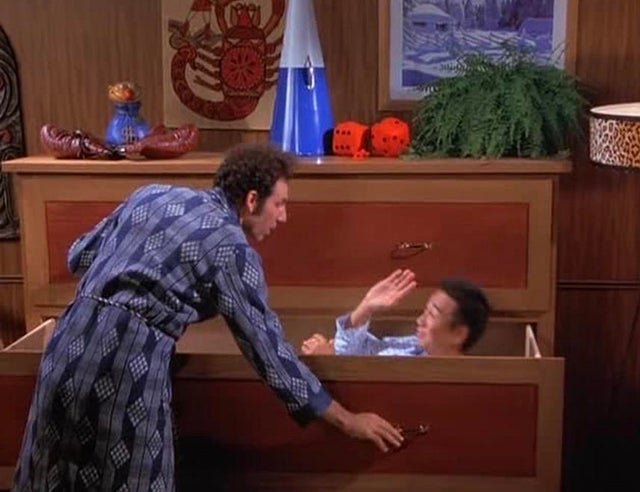
Hypothetically, if you attended a Stars or Mavs game and at the end of the night stowed away in one of the large empty drawers in the merch shop (which do appear big enough for a small adult human) what could/would you be charged with? What if the tickets were a gift or work perk that you didn't purchase yourself?
Thanks for asking, Julia!
I have never noticed this myself when visiting the American Airlines Center, but I’m definitely going to check it out the next time I’m there. Whether the drawers are human-size or not, stowing away inside one after hours would be a crime.
You could be charged with misdemeanor criminal trespass. The law is found in Texas Penal Code §30.05. That law states that it is a crime if you “enter or remain” on the property of another person including “a building” without the effective consent of the person – which includes when you receive notice to depart but fail to do so.
I don’t have a Mavs or Stars ticket handy, but I do have an old ticket from seeing Billie Eilish at the American Airlines Center where those teams play. On the back of the ticket, it reads in part:
This ticket is a revocable license and may be taken up and admission refused upon refunding the purchase price.
This is the same for any concert or sporting event. When you buy your ticket, you have purchased a limited revocable license. That means the owner of the property is allowing you to be on a specific portion of their property for a specific reason and for a limited period of time. At the end of the game or show, they herd everybody out into the streets. If you refuse to be herded and instead stow away in a large, empty drawer in the merch shop, that pretty much fits the bill of refusing to leave, making it textbook criminal trespass.
Criminal trespass is a Class B misdemeanor, unless you were carrying a weapon, in which case it’s enhanced to a Class A. Since there are metal detectors at the entry, I can’t imagine you’d be packing heat in your drawer heist. For a Class B misdemeanor, penalties include a fine of no more than $2,000 and/or up to 180 days in a county jail.
Even though you could be charged, would you be charged? That’s a different question. If you didn’t wreck anything while you were in there, you’d probably get a slap on the wrist and maybe go viral if you filmed it. Plus, the owners of the AAC may ask for your help on beefing up security since they would likely wonder how you managed to climb into a drawer and shut yourself in without anyone noticing.
That being said, I wouldn’t recommend it. Drawers are tricky and can sometimes get stuck.
As for whether the ticket was a gift or work perk that you didn’t buy yourself, it doesn’t matter for the purposes of your question. You, as holder of the ticket, were subject to that same limited revocable license. Once the time of the event ends, you’re still required to leave.
There is a whole emerging area of sports law exploring the question of whether a sports ticket is property you’re entitled to resell or whether it is a mere license to attend, meaning the grantor (sports team) can restrict your ability to resell it. People have written extensively on the subject and argued for an expansion of the rights of ticket holders.
[[ Tangentially related, do y’all remember when Creed got sued by concert attendees because their 2003 show in Chicago sucked so bad? It was a Creed concert – what did they expect? ]]
Anyway, since tickets are revocable licenses, courts tend to favor the idea that the grantor of the license (AAC, the Mavs, the concert promoters, etc.) can impose resale restrictions and revoke the license at any time or for any reason. Since your sneaky acts would occur after the license ended, you’d be trespassing whether you bought the ticket yourself or not.
Hope that answers the question! Thanks for asking!
Got a question? Submit it here. They can be legal what-if questions, questions on current events, or questions about the legality of actions in TV shows or movies you’ve seen. I never ever want to answer your personal legal questions, so don't send those. Love you, but I don’t do that.
***
This piece first appeared in Sunday Morning Hot Tea. Subscribe so you don’t miss another piece.

Legal Question: How Private is Your DNA in the Cloud?
This week’s question is from Haley via the form. Haley asks:
After listening to the Sinisterhood episodes on Kristin Smart, I couldn't stop thinking about this. What if you submit your DNA to a private company, and it happens to solve a case, are they required to notify you? Are there even laws or regulations for these types of situations? How is law enforcement getting the DNA from the private company (if that's a thing)? Thanks!
Great question, Haley! It’s also a timely question as Maryland and Montana just passed laws restricting how police can use DNA from online databases.
At the time the DNA website GEDMatch was used to capture the Golden State Killer in 2018, the site wasn’t meant for hunting murderers. Two guys created GEDMatch and had no idea police were searching the site’s database for suspects. They thought it was a cool way to find long-lost relatives.
Indeed, at the time, there was no legitimate way for police to search GEDMatch or the other site they used called FamilyTreeDNA. Instead they created a fake profile and uploaded the Golden State Killer’s DNA. Police got a match to a distant cousin and then built a family tree for the suspect in order to identify Joseph James DeAngelo, Jr., who ultimately pleaded guilty to the crimes.
According to The Atlantic, the news of the killer’s arrest was the first time GEDMatch’s creators ever got wind that cops were using their genealogy site to solve crimes. In the wake of the publicity, GEDMatch updated its terms of service to inform users that “DNA obtained and authorized by law enforcement” may be uploaded and used on the site to identify perpetrators of “violent crime.” Though that is defined as rape and murder, the site concedes that it has no way to monitor what crimes law enforcement is using the site for. FamilyTreeDNA followed suit and made similar changes it its privacy policy as well.
With that background, I’ll answer each of your questions in turn.
What if you submit your DNA to a private company, and it happens to solve a case, are they required to notify you?
On FamilyTreeDNA, users who elect to participate in law enforcement efforts are subject to the terms of FamilyTreeDNA’s Law Enforcement Guide. If law enforcement obtains a hit on a user’s DNA and requests more information on the user from FamilyTreeDNA, the website’s policy states that the site will “notify users of the request and supply a copy of the request prior to disclosure” of the user’s information, “unless we are legally barred from doing so.”
In the U.S., law enforcement agencies can get a court order that prevents the DNA website from notifying users. In that case, the user would have no idea they were the subject of an investigation or whether their DNA was being used in connection with an investigation. Usually the court would grant this request if informing the user would somehow impede the investigation, including: endangering the life or physical safety of an individual; causing flight from prosecution; causing the destruction of or tampering with evidence; leading to the intimidation of potential witnesses; or otherwise seriously jeopardizing an investigation or unduly delaying a trial.
If a court finds any of those factors (or any factors otherwise defined under state law), it would sign an order preventing the DNA website from telling you that law enforcement is asking for more information about you.
Are there even laws or regulations for these types of situations?
The overall schema of using a consumer-facing DNA database for purposes of criminal apprehension is governed by the Fourth Amendment and our constitutional right to be secure in our persons, houses, papers, and effects, against unreasonable searches and seizures.
Until recently, if a person turned over data to a third-party, like for instance information you give to a bank, that person would no longer have any Fourth Amendment protection for the information given to the third party. This was based on longstanding Supreme Court precedent that said, in essence: if you give your data to someone else, you should not expect it to remain private.
In a 2001 decision, Ferguson v. Charleston, the Supreme Court curtailed that slightly, holding that “material which a person voluntarily entrusts to someone else cannot be given by that person to the police, and used for whatever evidence it may contain.” That case involved a hospital testing medical urine samples for drugs and then turning that information over to the police.
Then in 2018, the Court decided Carpenter v. United States, holding that “a defendant has a legitimate expectation of privacy in the record of his physical movements as captured through cell-site location information.” This meant that just because you allow cell phone companies to know your location, does not mean that the companies can wholesale turn that information over to the cops.
Neither of these decisions discussed DNA websites directly, but reading them together, it’s reasonable to assume that personal, private genetic information may now be considered sufficiently sensitive and private to be protected against general searches by the government, even where you have turned that information over to a third party like GEDMatch.
Going further, starting October 1, in Montana and Maryland, the laws will change to protect information uploaded to a DNA website. In Maryland, the practice of uploading a suspect’s DNA to a site will require approval from a judge and will only be allowed in cases of sexual assault and murder. In Montana, law enforcement will have to obtain a search warrant, unless users have opted to allow police access to their DNA. Other states may soon follow suit and pass laws of their own.
How is law enforcement getting the DNA from the private company (if that's a thing)?
With the Golden State Killer, they just made a fake profile and uploaded it as if they were a regular user. After the news broke of how they got their information, the websites then created specific channels for law enforcement to upload suspects’ data going forward. For FamilyTreeDNA, law enforcement users are directed to follow certain procedures and email their requests to a special department. On GEDMatch, law enforcement users are directed to use the GEDMatch Pro site, rather than the regular consumer site, and must confirm that they are looking for perpetrators of a violent crime.
For general users with a profile on either FamilyTreeDNA or GEDMatch, the decision whether to make their DNA data available to law enforcement is an option to toggle on or off in the privacy settings area of the website.
Since data like DNA uploaded to a website implicates privacy concerns that extend well into Fourth Amendment territory, law enforcement officials are no longer able to misuse the consumer-facing website for investigative purposes, at least not in Montana or Maryland. If they do it in other states, they may face challenges to use of the data on Fourth Amendment grounds, especially in the wake of the 2018 Supreme Court decision in Carpenter.
I hope that answers your questions, Haley! Thanks for submitting.
Got a question? Submit it here. They can be legal what-if questions, questions on current events, or questions about the legality of actions in TV shows or movies you’ve seen. I never ever want to answer your personal legal questions, so don't send those. Love you, but I don’t do that.
***
This piece first appeared in Sunday Morning Hot Tea. Subscribe so you don’t miss another piece.

Legal Question: Repossessing the Roses
This week’s question is from Kelly via the form. Kelly asks:
In the 2nd episode of the Girardis, you discuss how items up to a certain value do/don’t get repossessed. This made me think of Schitt’s Creek. The Roses (mostly Moira) were still in possession of many designer clothes and jewelry that I would imagine would be within the price range of being repossessed. Would they realistically have been able to keep those items?
Great question, Kelly!
We recently covered the legal battle being waged by victims of tragedy against the formerly prominent trial lawyer Tom Girardi and his law firm, Girardi Keese. He stands accused of misappropriating millions of dollars in client and lender assets to support his Real Housewife of Beverly Hills, Erika Jayne’s, extravagant lifestyle. You can get the full scoop in the two parts from Sinisterhood here in Part One and Part Two.
On to the Roses…
I love this question because I love any excuse to re-watch Schitt’s Creek. A couple of important things to set up first.
WHERE IS SCHITT’S CREEK?
Tom Girardi and Girardi Keese are both going through bankruptcy proceedings under United States law. What he can/cannot keep is determined by the Bankruptcy Code and state law. Girardi is in California, so the list of items he gets to keep is determined under California law. Some examples of items he could possibly keep (depending on some factors that are outside the scope of this newsletter but which are discussed in the second episode) include:
A home worth $175,000,
A car worth $3,325,
Jewelry and art worth $8,725, and
Retirement accounts worth $1.3 million.
The Rose family lives in Canada. Yes, Schitt’s Creek is in Canada. Though there was some hemming and hawing at first, Dan Levy eventually confirmed it to BuzzFeed News. Additionally, the “people from the government” who ring the Roses’ doorbell in the pilot episode are wearing blue jackets with “REVENUE AGENCY” printed on the back. The tax-collecting authority in Canada is called the Revenue Agency.
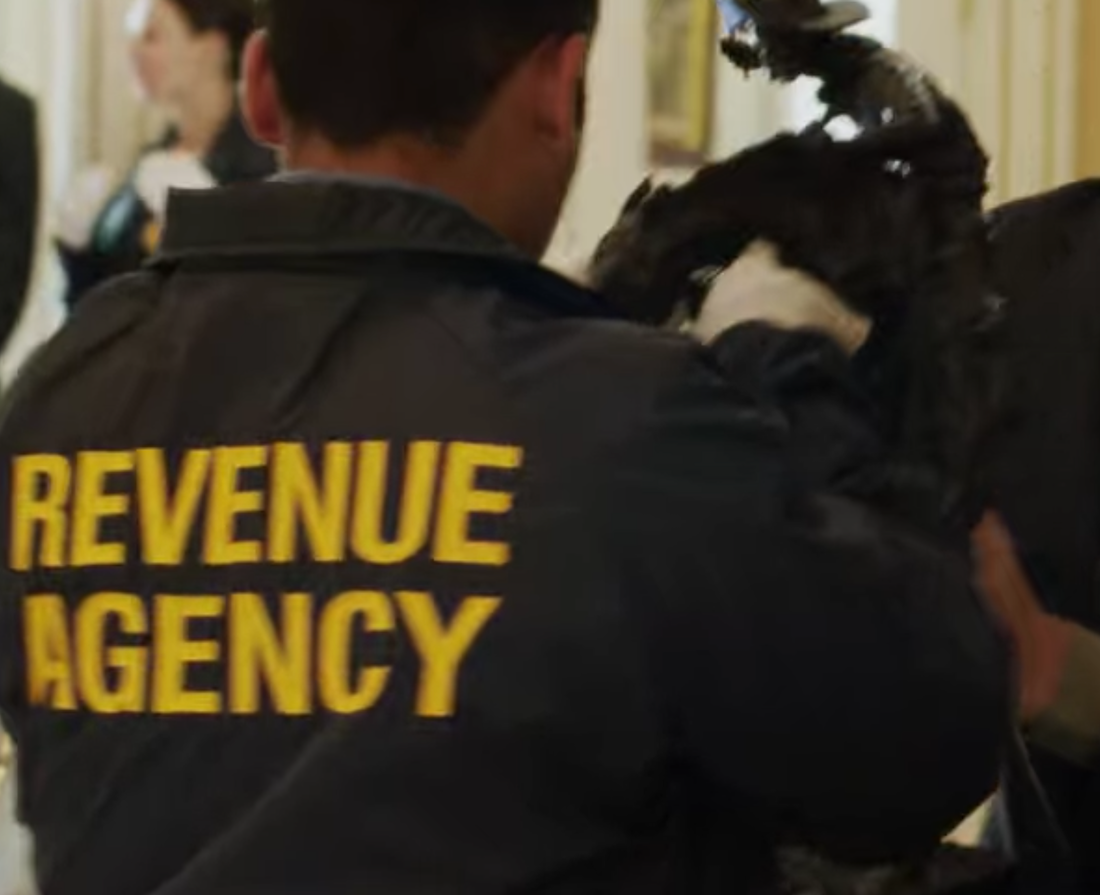
I’m still trying to wrap my mind around what kind of a sick person wants to get paid to destroy another person’s life. DESTROY ANOTHER PERSONS’ LIFE!
In the United States, the tax agency is called the Internal Revenue Service, and their jackets are printed with “IRS Revenue Officer” or “IRS-CID Police.” CID is the Criminal Investigation Division. Using the clue of the jackets and Dan Levy’s proclamation, we’ll look at this question under Canadian law.
WHAT HAPPENED TO THE ROSES?
In the first five minutes of the pilot episode, Johnny Rose calls a person named Eli a “son of a bitch.” Turns out Eli was the family’s business manager who was like “family” and was in charge of the Roses’ finances. The Revenue Agency officer then tells Johnny, “Eli really did a number, Johnny. He took everything,” and explains that Eli has run off to the Cayman Islands.
The phrase “He took everything” indicates to me that their business manager stole the majority of their assets. The Netflix episode description also states that “their business manager loots their family fortune,” which indicates to me that Eli both took the cash and left a big ol’ tax bill, especially since Johnny also says, “He was our business manager. He was supposed to pay taxes.”
The Revenue Agency officer then tells the Roses that there was a “very small amount set aside” for the family and also “one asset the government has allowed [the Roses] to retain” – the town of Schitt’s Creek.
Since Eli took “everything” – presumably their cash – then whatever physical property the Roses had left would be what the Canadian government would go after to satisfy the debt of unpaid taxes. Let’s discuss how that works.
WHAT HAPPENS WHEN YOU STIFF THE CANADIAN GOVERNMENT?According to the Canadian Revenue Agency (CRA), “Any amount you owe is payable in full immediately when you're assessed.” If the Roses failed to pay the CRA in a timely fashion, they were charged “compound daily interest at the prescribed rate on any amount owing.” Whatever amount the Roses owed was also subject to a daily interest rate, so their tax bill ballooned up even higher.
Since the Roses did not pay the outstanding debt to the CRA or contact the CRA to discuss payment plans, the CRA was entitled to take legal action to collect the unpaid amount. That legal action could have been garnishment, which means the CRA would go into bank accounts and seize the funds. Since Eli apparently took all of the Roses’ money and fled the country, that would not likely be successful.
Since the garnishment wouldn’t work so well, the CRA could put a lien on the Roses’ home or other large assets. That means, if the Roses tried to sell the property, the tax debt would get paid first.
What happened in the pilot episode was even more severe than just a lien. It is called a seizure of assets. First, the CRA would have gone to court and gotten a written command or formal order in favor of the Crown (the Canadian government) that allowed the CRA to seize and sell the Roses assets and property. Under Canadian law, the CRA can do this without notifying the Roses. If you think about it, it makes sense. You know you’re supposed to pay your taxes. Although they relied on their “business manager,” the liability still falls on the Roses as the taxpayers.
On the CRA website the agency states that it will seize property like: “your car, boat, artwork, cottage, rental property, or personal residence.”
Lock up your cottages, y’all. The CRA ain’t messing around.
After the CRA seized the Roses’ assets, it would sell them off to pay both the tax debt owed and all of the costs associated with selling the assets. If the sale proceeds didn’t satisfy the whole tax debt, then the Roses would still be liable to pay the remaining amount. Tax debts are not dischargeable in bankruptcy, either.
The Canadian Broadcasting Company recently reported that asset freezes and seizures were on the rise, with the CRA using provisions of the Criminal Code to enforce tax debts. Since tax evasion is technically a crime, then money retained and not used to pay taxes are fruits of that crime.
So, to the question…
Would the Roses realistically have been able to keep those items?
During the pandemonium of the asset seizure, Johnny shouts at Moira, “We’ve got 15 minutes to collect our personals.” Of the assets being seized in the house, it appeared to be large piece of furniture, statues, and large pieces of jewelry and expensive designer bags, not personal items like clothes or shoes.
When the family arrives in the town, they have luggage, duffle bags, some cardboard boxes, and cases containing Moira’s extensive wig collection.
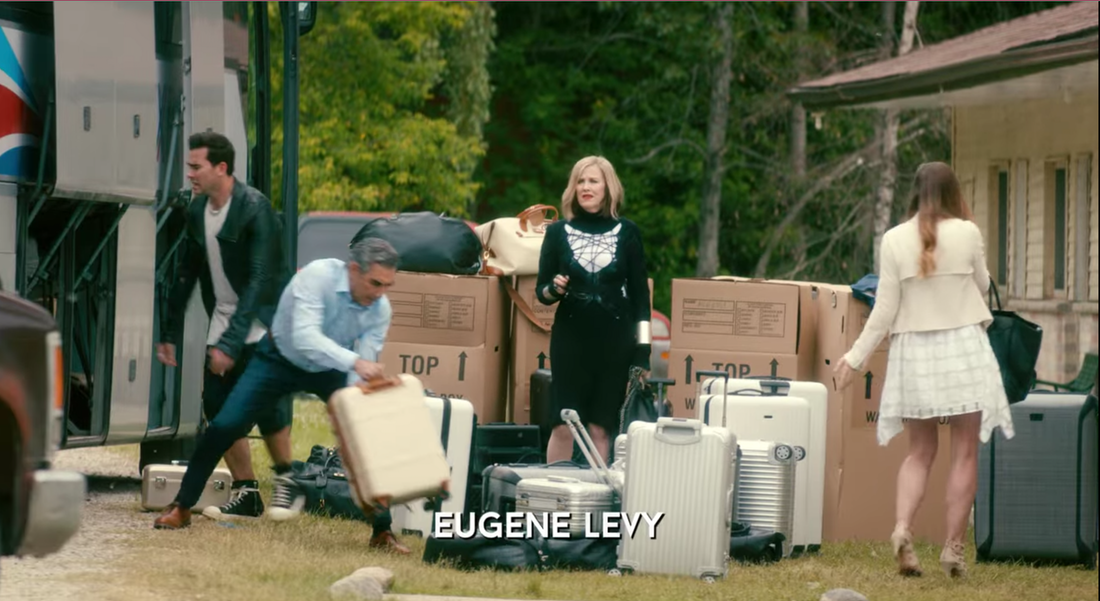
75% of the suitcases are filled with wigs.
The CRA agents came to seize assets of value that could be sold to satisfy the Roses’ tax debt. Their enormous house and various other properties would probably make the largest dent, then the larger, more valuable personal property pieces would be the next most valuable.
Though they wear some incredible designer clothes, taxing authorities don’t generally seize clothing. In the United States, the IRS will also allow individual taxpayers to keep “tools necessary for the trade, business or profession of the taxpayer,” which could arguably include their phones and laptops.

The looks of an icon
As for Moira’s jewelry, it’s not as recognizable as her designer clothes. For instance, the iconic panther brooch was created by the production designer, Debra Hansen. It later sold at a charity auction for $3,200, but that’s likely because it was a part of the show and not because of its inherent value.

Rawr! Look at that sweet brooch.
Many of the other pieces were either from the costume designer’s own collection or were costume jewelry, though there were some finer pieces layered in as well, according to this interview with Debra Hanson.

SO many layers of necklace
If Moira somehow successfully hid those assets and the tax debt got paid off with everything else the CRA took, she would be able to keep those items. Also, she’s Moira fricken Rose. She can do whatever she wants. PROOF: Check out this iconic collection of legendary Moira moments.
I hope that answers your question, Kelly!
Got a question? Submit it here. They can be legal what-if questions, questions on current events, or questions about the legality of actions in TV shows or movies you’ve seen. I never ever want to answer your personal legal questions, so don't send those. Love you, but I don’t do that.
***
This piece first appeared in Sunday Morning Hot Tea. Subscribe so you don’t miss another piece.
Legal Question: The Cost of Naming Your Juice
This week’s question is from Aaron via the form. Aaron asks:
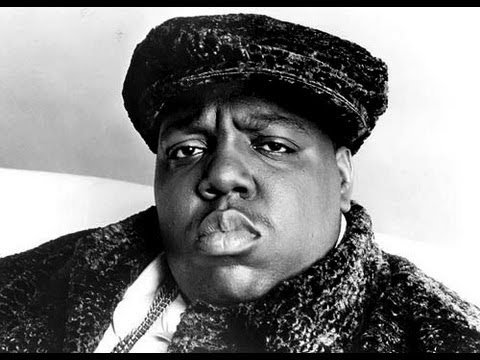
In the song “Big Poppa” Notorious BIG attempts to entice a girl to rendezvous with his crew at the bar around 2 with an offer of “cheese, eggs and Welch’s grape.” Did he have to pay Welch’s for the use of their brand in his lyrics? Do music artists fall under the same rules as movies and tv about product usage?
Great question, Aaron!
I’ll start off by saying the following is a simplified explanation of use of trademarks. I love them, but intellectual property attorneys rank up there with tax attorneys in the “UM ACTUALLY” camp of lawyers. They can’t help it, they’re specialists! Think of me as your local primary care physician and think of IP lawyers as brain surgeons. Their area of law is incredibly intricate, which, naturally, leads them to hang their hat on technicalities. It’s why we love them and why we pay them the big bucks to watch our artistic backs.
So here’s the quick and dirty on using brands in songs.
Two laws govern the use of trademarks in media – the Lanham Act and the Federal Trademark Dilution Act (FTDA). The Lanham Act protects trademark holders from, among other things, trademark infringement, trademark dilution, and false advertising. The FTDA creates a way to sue in federal court to protect famous marks from unauthorized use; to prevent others from trading upon the goodwill and established renown of such marks; and to prevent dilution of the distinctive quality of such marks.
The purpose of both of these laws is to protect the commercial use of words and symbols. The law that runs counter to those laws is a big one – the First Amendment. Since the government “shall make no law …abridging the freedom of speech,” courts have been hesitant to bar speech simply because it mentions the name of a brand.
The test courts use to balance the protections of the Lanham Act against the free speech guaranteed by the First Amendment was originally created in a lawsuit from Ginger Rogers, the famous movie star and dancer. It’s now known as the Rogers test.
The Rogers test poses two questions to determine whether the Lanham Act wins when it is pitted against the First Amendment. The first question is whether the offending work’s use of a trademark has some artistic relationship to the work. The second question is whether that use explicitly misleads consumers.
In Rogers, the Second Circuit Court of Appeals held that the Lanham Act “should be construed to apply to artistic works only where the public interest in avoiding consumer confusion outweighs the public interest in free expression.” The court refused to ban someone from using a name or brand in a work simply because it was protected by a trademark. The use had to ALSO be confusing to consumers in order for the court to bar the speech.
The Ninth Circuit adopted this standard in its ruling on that one-hit-wonderful song “Barbie Girl”.
In the Barbie Girl case, the use of the trademark “Barbie” did not “explicitly mislead as to the source of the work” and did not “explicitly or otherwise, suggest that it was produced by Mattel.” That was enough for Mattel to lose at an early stage of litigation – because the use of the trademark in the song did not mislead a listener as to the source of the work or suggest it was produced by the owner of the trademarked item. Nobody heard that song and thought Mattel wrote it or sang it.
The Barbie Girl decision also applied the other law, the FTDA. One of the exemptions to the FTDA that allows someone to use a trademark is non-commercial use. But that begs the question — Is using a trademark in a song commercial or non-commercial? A song like “Barbie Girl” is art (just barely), created to express Aqua’s feelings on Barbie. But it’s also a product that’s being sold – back then, via CD singles at the local Sam Goody.
The court determined that when a song’s commercial purpose is “inextricably entwined expressive elements,” the song should be allowed to enjoy full First Amendment protection. Since the creative expression of Aqua singing about being undressed anywhere existed alongside the purpose of selling records, the Ninth Circuit held that the song “Barbie Girl” was not purely commercial speech. Therefore, Mattel lost and couldn’t prevent the monstrosity of “Barbie Girl” from continuing its onslaught against our ears.

The use of the trademark is not illegal but being forced to listen to the song should be.
The Rogers test was recently applied to protect video game maker Activision Blizzard when it used AM General’s Humvee military vehicle in its Call of Duty video game. Is using a trademarked car in a video game commercial or non-commercial?
Because the Humvees were there to make the gameplay more realistic, the court concluded that was “artistic expression” sufficient to satisfy the first question in the Rogers test.
As to the second question, the court held that the Humvee was not “explicitly misleading” and also, even if it was a little bit misleading, “an artistically relevant use will outweigh a moderate risk of confusion where the contested user offers a ‘persuasive explanation.’” Activision Blizzard explained their use of the Humvees persuasively: Humvees are the kind of vehicles that the real military uses, so they chose to use those vehicles to be as realistic as possible.
Despite these lawsuits, many brands actually like being mentioned in hit songs. Taylor Swift frequently name drops brands in her songs, including Polaroid and Band-Aid, which benefits the brands and sometimes leads to partnerships.
When Katy Perry released “Harleys in Hawaii” she did not inform Harley-Davidson of the song’s title in advance. Still, the company relished the opportunity to access a younger generation of riders and even provided motorcycles for us in the music video. The real illegal action in this song is that it wasn’t a bigger success. That song fuckin’ SLAPS!
There are really two ways for an artist to get in trouble by mentioning a brand in their songs. The first, as we discussed above, is mentioning a product in a way that would confuse consumers that the brand was responsible for the song.
The second way is mentioning a brand or product in a bad light. For instance, I would not recommend writing a song called Taco Bell Gives Everyone Diarrhea Every Single Time They Eat There. Just like people can sue for untrue statements about them that cause harm, corporations can also sue for defamation. Taco Bell would have to show that the published material has caused or is likely to cause financial losses. That may be a stretch given that Taco Bell = diarrhea is a meme. Doesn’t mean they couldn’t still try.
This is why a banger like “Combination Pizza Hut and Taco Bell” can exist in all its glory. It is not making a negative statement about the conjunctive restaurant chains, and no one would be confused into thinking that YUM! Brands wrote or sang that song.
Since Biggie mentioned using Welch’s grape juice as a way to seduce women to rendezvous with him in the middle of the night, we can assume this is a positive mention as he believes it to be a delicious pairing with his T-bone steak and cheese eggs. Is it “cheese (COMMA) eggs”? Like, is he eating a T-bone steak, cheese, AND eggs, then pairing it all with Welch’s grape juice? Or is he eating a T-bone steak and eggs MIXED WITH cheese to pair with the Welch’s? The world may never know.
But at no point would anyone think that Welch’s grape juice wrote that song. Just listen to it. Only Biggie could come up with such effusive lyrics and such dope beats.
I hope that answers your question, Aaron!
Got a question? Submit it here. They can be legal what-if questions, questions on current events, or questions about the legality of actions in TV shows or movies you’ve seen. I never ever want to answer your personal legal questions, so don't send those. Love you, but I don’t do that.
***
This piece first appeared in Sunday Morning Hot Tea. Subscribe so you don’t miss another piece.

Legal Question: Consequences for Airplane Shenanigans
This question was inspired by a text from my mom. She sent me this article from her personal favorite news source, TMZ. It’s about a woman who had a mental health episode on a plane and tried opening the door while the plane was in mid-flight. While reading that article, a link came up for a second article about a man who tried breaching the cockpit on a different flight. Great reading right before my first plane ride since the pandemic!
Some commenters on the videos expressed disgust that flight attendants had duct taped the woman or zip tied the man, especially if there were mental health concerns. Since the flight crew has the obligation to keep the plane safe, others were saying the crew did what they had to in order to ensure a safe landing for everyone else on board.
These two are not the only incidents. Since the beginning of the year, the FAA has received approximately 3,271 reports of unruly behavior by passengers. The agency identified potential violations in 540 cases and initiated enforcement action in 83 cases. During the same timeframe, the FAA has proposed more than $682,000 in fines against unruly passengers, as of July 6, 2021.
That got me thinking: What are the consequences for flipping out on a plane?
Here’s a free bit of legal advice, if you’re going on a plane – sit down, shut up, and do exactly what the crew tells you. The Federal Aviation Administration has recently implemented a zero-tolerance policy in punishing passenger behavior. That means they’re charging people for initial infractions without issuing warnings.
The FAA has also begun publicizing details of incidents, a departure from its previous norms, in an effort to shame passengers into compliance. Has it worked? Not so far. There have still been a huge increase in confiscated weapons at TSA security checkpoints and repeated incidents.
So what’s the worse that could happen if you go apeshit on a plane?
CONSEQUENCE 1 – GO TO JAIL, DO NOT COLLECT $200
Under to federal law (49 U.S.C. § 46504), if someone (1) assaults or intimidates a flight crew member or flight attendant, (2) interferes with the performance of their duties, or (3) lessens their ability to perform those duties, that person “shall be fined,” imprisoned for not more than 20 years, or both. However, if the person uses a dangerous weapon assaulting or intimidating the crew member, they “shall” be imprisoned for any term of years or for life.
CONSEQUENCE 2 – OK, FINE
In addition to criminal charges, the FAA can levy civil files. The administration’s recent press releases detail the fines along with breakdowns of what each person did. The most recent press release lists hefty fines for wild behavior. They include:
$21,500 fine for a man who refused to wear a face mask, drank alcohol that he brought on board, fought with the crew and other passengers, then punched the person next to him.
$17,000 fine for a man who refused to wear a face mask, talked on his phone during the safety demonstration, then got up and walked through the plane during landing.
$10,500 fine for a man who called 911 and reported that the flight attendant was being held a knifepoint and the plane was being hijacked. None of this was true. As the plane taxied back, he called the FBI and reported a bomb on board.
So far, there have not been announcements as to what is going to happen to the duct tape woman or zip tie man. The duct tape woman allegedly bit the flight attendant, so she’s probably going to be charged criminally, in addition to being fined. The zip tied man may be charged criminally since he fought the flight crew and interfered with the performance of their duties.
WHAT ABOUT AIR MARSHALS?
The TSA does not reveal how many air marshals are working at a given time or what flight routes they are on. Based on the high number of flights each day in the United States, it is safe to say there is no way for an air marshal to be on every single flight out there.
In fact, in a 2014 interview with John Casaretti, the then-current National President of the Air Marshal Association/CWA in USA Today, he said air marshals only “cover a very small percentage of commercial flights.” Super. In that same article, it states that air marshals are to get involved “only after a flight crew has exhausted its ability to handle a situation.”
DO THE PASSENGERS GET A TRIAL?
When someone is civilly fined, they don’t quite get a full trial. The process is slightly different. Since the FAA is a government agency, it has its own type of judges called Administrative Law Judges, or ALJs. Though it is not a full trial, the passengers will be able to hire an attorney and present evidence to tell their sides of the stories. The FAA will also present the evidence it has collected against the passengers. The judge will hear both sides then make a ruling. Just like a regular lawsuit, the ALJ’s decision can be appealed. If they lose, the passengers first appeal to the FAA Administrator, then on to the Federal Court of Appeals.
As for criminal charges, the U.S. Attorney (federal prosecutors) gets involved. This was true in the case of a Miami man who caused a disturbance during a flight on July 7. The FBI investigated the incident after two on-board air marshals subdued the man. After the investigation, the Department of Justice announced charges against the man on their website just a week later. If he does not reach a plea deal with the U.S. Attorney, he will go to trial in federal court where he faces a sentence of up to twenty years in federal prison.
Civil and criminal penalties aside, my recommendation is not to mess with flight attendants. Just this week, Business Insider reported they are receiving intensive self-defense training, including moves like “the double-ear slap, the eye-poke, and the groin-kick” intended to disarm unruly passengers who may be wielding sharp weapons. They’re also taught to use items on the plane to as weapons for self-defense.
Meanwhile, I’m flying out later this afternoon. I’ll be sure to pack my boxing gloves in my carry-on, just in case.
Thanks for sending that article to me, Mom!
Got a question? Submit it here. They can be legal what-if questions, questions on current events, or questions about the legality of actions in TV shows or movies you’ve seen. I never ever want to answer your personal legal questions, so don't send those. Love you, but I don’t do that.
***
This piece first appeared in Sunday Morning Hot Tea. Subscribe so you don’t miss another piece.